
Weight Loss often brings a mix of victory and frustration while shedding pounds transforms your body, it can also leave behind flabby, loose skin that doesn’t match the hard work you put in.
Many people face this issue after rapid or significant weight loss, noticing sagging areas around the arms, stomach, thighs, or face. This happens because when fat disappears quickly, your skin doesn’t have enough time to shrink back, especially if it’s been stretched for years.
Factors like age, genetics, and rate of weight loss all play a role. But the good news is, you can tighten and improve that loose skin without relying only on surgery.
Through the right balance of exercise, nutrition, hydration, and advanced non-surgical treatments, it’s absolutely possible to rebuild firmness and regain a smoother look.
Weight Loss Ways to Fix Flabby Skin Quickly
In this guide, we will explain practical, science-backed ways to fix flabby skin quickly after Weight Loss — without the hype.
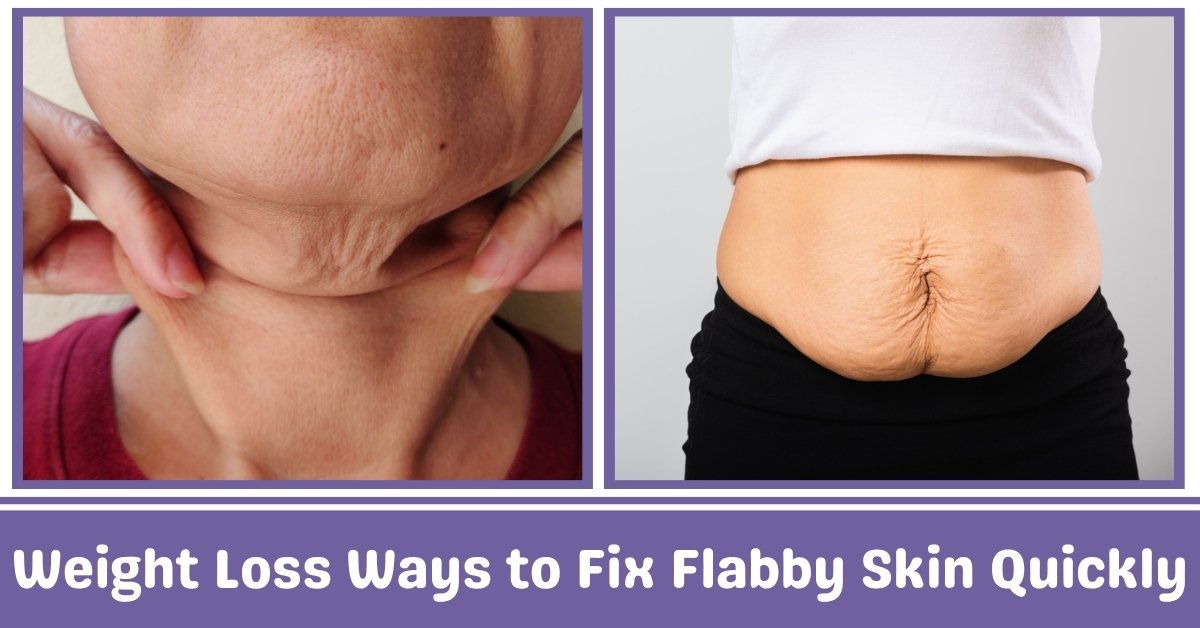
1. Why Flabby Skin Happens
When you lose weight, especially a large amount, your body fat decreases faster than your skin can adapt. The skin is made of collagen, elastin, and connective tissue materials that stretch as you gain weight to cover the growing body mass.
However, once you lose that fat, the stretched skin can’t always snap back, especially if it has been expanded for years.
The main cause of flabby skin is the loss of elasticity. Over time, collagen and elastin fibers weaken. When the skin is stretched continuously during weight gain, these fibers can break or become less flexible.
After weight loss, instead of contracting, the skin hangs loose over the reduced body size.
Speed of Weight Loss
The faster you lose weight, the higher the risk of loose skin. Quick weight loss, such as losing 10–15 pounds per month through crash diets or extreme calorie restriction, doesn’t give your skin time to shrink gradually.
This is why slow and steady fat loss around 1 to 2 pounds per week — is recommended. Gradual fat loss allows collagen production to keep up, helping the skin maintain its structure.
Amount of Weight Lost
Losing more than 50 pounds can significantly stretch skin capacity. The more fat volume your body had, the more your skin was forced to stretch.
After major weight loss, especially when going from obesity to a normal weight, there’s often too much excess skin for natural shrinkage to handle.
Age and Skin Quality
Younger individuals have more collagen and elastin, allowing their skin to rebound more easily. As we age, collagen production naturally declines, making it harder for skin to recover firmness.
After age 35, the rate of collagen production slows down by about 1% each year, which affects how the skin adapts after weight loss.
Duration of Obesity
If your body was overweight for many years, the skin fibers were under tension for a long time. Long-term stretching weakens the structural integrity of the dermis.
This long exposure makes it more difficult for the skin to return to its original position once fat disappears.
Genetics and Lifestyle Factors
Genetics also play a role in how much elasticity your skin retains. Some people naturally produce stronger collagen networks.
Lifestyle factors such as smoking, dehydration, and poor nutrition can further damage the skin’s ability to recover. Lack of proper nutrients like protein, vitamins C and E, and zinc also limits collagen rebuilding.
In simple terms, flabby skin isn’t just a cosmetic problem — it’s a physical change that results from stretched fibers losing their strength. But understanding the cause helps target the right solutions to tighten it effectively.
2. What You Can’t Expect (Setting Realistic Goals)
It’s important to manage expectations before starting your skin-tightening journey. The internet often promotes quick fixes, but the truth is more straightforward skin recovery takes time, consistency, and patience.
First, it’s unrealistic to expect complete removal of saggy skin through exercise or diet alone. Natural methods can improve firmness, thickness, and tightness, but they can’t reverse years of structural stretching in severe cases.
If the skin has lost too much elasticity or the weight loss was extreme, you may improve its look but not eliminate all looseness.
Second, creams or lotions won’t perform miracles. Many “firming” or “tightening” creams help with surface texture and hydration but can’t reach deep layers of skin where collagen fibers are damaged. They can be part of your plan but shouldn’t be your only tool.
Third, don’t expect overnight results. Skin recovery happens gradually. You may start to notice changes in 4–8 weeks, but full improvement often takes several months of consistent effort.
Fourth, age and genetics limit outcomes. If your skin elasticity is naturally weaker, progress will be slower. That doesn’t mean it’s impossible — it just means results will be subtler and require long-term habits rather than quick solutions.
Finally, surgery or medical treatments are sometimes the only way to fully remove excess skin, especially after losing more than 80–100 pounds.
Procedures like abdominoplasty (tummy tuck) or body lifts are designed to remove stretched skin and tighten underlying tissues. For moderate cases, non-surgical options like radiofrequency, ultrasound therapy, or microneedling can still make a big difference.
Set your goal as improvement not perfection. With the right actions, you can make flabby skin noticeably tighter, smoother, and firmer over time.
3. Proven Methods to Tighten or Improve Flabby Skin
There are several effective ways to tighten skin after weight loss. They fall into three main categories: exercise, nutrition, and skin treatments.
Each one works best when combined with the others, forming a complete approach to tightening and rebuilding your skin’s strength.
Exercise and Strength Training
The most natural and effective way to tighten skin is by building muscle underneath. When you gain lean muscle, it fills out the space left behind by lost fat, creating a more toned and firm appearance.
Focus on resistance training at least 3–4 times per week. Use weights, resistance bands, or bodyweight exercises like squats, push-ups, pull-ups, and planks. Target all major muscle groups — arms, chest, core, legs, and back.
When you train consistently, muscles expand, increasing skin tension and reducing sagging. Also, strength training improves blood circulation, which supports nutrient delivery and collagen formation in the skin.
Combine resistance training with moderate cardio. Cardio improves heart health and burns fat but avoid overdoing it since excessive cardio without muscle work can make the skin appear looser by reducing lean mass.
Nutrition and Skin Health
Your diet directly affects skin elasticity and collagen strength. To tighten skin, focus on foods that rebuild and protect connective tissue.
-
Protein: The building block of collagen. Aim for 1.6–2.2 grams of protein per kilogram of body weight. Include chicken, fish, eggs, dairy, beans, and lentils.
-
Collagen Supplements: Hydrolyzed collagen peptides may support skin elasticity. Studies show that 10g daily can improve skin thickness and firmness over time.
-
Vitamin C: Essential for collagen synthesis. Add citrus fruits, strawberries, and bell peppers.
-
Healthy Fats: Omega-3s from fish, flaxseed, or walnuts maintain cell structure and moisture, improving skin flexibility.
-
Hydration: Dehydrated skin appears loose and dull. Drink at least 2–3 liters of water daily.
-
Avoid Smoking and Alcohol: Both slow collagen production and dehydrate the skin.
A nutrient-rich diet doesn’t just support skin health — it also speeds up your recovery after workouts, helping you build firm, strong muscles faster.
Skin Care and Topical Support
While topical treatments won’t fix severe sagging, they do enhance firmness and surface texture.
-
Retinoids: Stimulate collagen production and improve elasticity.
-
Peptide Creams: Support collagen repair and hydration.
-
Hyaluronic Acid: Keeps the skin plump and hydrated.
-
Massage and Dry Brushing: Improve blood flow and lymphatic drainage, promoting firmer skin over time.
-
Compression Garments: Support areas prone to sagging and reduce discomfort while skin adjusts.
Consistency matters more than brand names. Apply products daily and give them time to work.
Non-Surgical Skin Tightening Treatments
For moderate loose skin, non-invasive procedures can speed up collagen regeneration.
-
Radiofrequency (RF) Therapy: Uses heat energy to stimulate deep collagen layers, tightening skin gradually.
-
Ultrasound Therapy (Ultherapy): Focuses sound waves on deep skin layers to rebuild structure.
-
Microneedling with RF: Combines micro-injuries and heat for stronger results.
-
Laser Treatments: Improve surface texture and stimulate collagen remodeling.
These treatments usually require multiple sessions but provide noticeable improvement without surgery or long recovery periods.
Surgical Options (For Severe Cases)
If you’ve lost 80–100+ pounds and have large folds of excess skin, surgery may be the only way to completely remove it.
-
Abdominoplasty (Tummy Tuck): Removes skin from the stomach area and tightens abdominal muscles.
-
Body Lift or Arm Lift: Removes excess skin from thighs, arms, or torso.
Surgery delivers permanent results, but it’s important to maintain a stable weight for at least six months before considering it. Recovery takes time, but the results are significant and long-lasting.
4. Step-by-Step Strategy to “Fix” Flabby Skin Quickly (Realistic Plan)
Now that you understand the causes and methods, here’s a realistic 12-week strategy to start tightening your skin quickly and effectively. The goal is to combine natural approaches for steady improvement.
Weeks 1–2: Build the Foundation
Start by creating a consistent routine. Focus on three main habits: exercise, nutrition, and hydration. Begin strength training three times per week and include full-body workouts.
Track your protein intake and drink plenty of water. Avoid extreme calorie restriction; aim for a moderate calorie deficit so the body can burn fat without breaking down muscle.
Weeks 3–4: Increase Intensity
As your body adapts, increase the intensity of your workouts. Add more resistance, weight, or sets. Include core exercises like planks and crunches to tighten midsection skin.
Start daily skin care with retinol or collagen cream, and gently massage loose skin areas for 5–10 minutes daily to stimulate blood flow.
Weeks 5–6: Support Collagen Production
Introduce collagen supplements and increase foods rich in vitamin C and omega-3. Keep workouts consistent.
At this point, you’ll start to see slight tightening and muscle definition. Avoid dehydration and maintain proper rest to allow your skin to repair naturally.
Weeks 7–8: Add Recovery & Optional Treatments
If you can, schedule one or two sessions of non-surgical treatments like RF or microneedling. These accelerate collagen regeneration.
Continue lifting and stay consistent with protein and hydration. Your skin’s texture and elasticity will improve noticeably.
Weeks 9–10: Evaluate Progress
Compare your body with photos from week 1. You should see firmer, more defined areas, especially around the arms and abdomen. Continue your regimen. If needed, slightly increase weights or add another strength session per week.
Weeks 11–12: Maintain and Refine
By now, your habits are built in. Maintain your workout intensity, stay hydrated, and continue your skin care routine. If you plan to explore surgery or advanced treatments, consult a professional after maintaining stable weight for a few months.
Conclusion
Fixing flabby skin after weight loss isn’t about chasing overnight results it’s about rebuilding your body’s strength and structure from the inside out.
Loose skin forms when collagen and elastin fibers lose their resilience, but with the right approach, you can help them recover. The key is a consistent mix of resistance training, protein-rich nutrition, and proper hydration.
These form the foundation of natural skin tightening by improving muscle tone and stimulating collagen repair.
Adding supportive habits like using retinol or collagen creams, staying active, and even trying safe non-surgical options such as radiofrequency or microneedling can further enhance results.
For those who’ve lost significant weight, surgical removal may remain the final step — but it’s often not necessary for everyone.
The truth is, progress takes time, but every week of consistency brings visible change. Stay patient, follow a structured plan, and keep your focus on strength, health, and long-term results.