
Weight Loss is often celebrated as a major health achievement something that boosts confidence, improves mobility, and supports long-term well-being.
But what many people don’t expect during their transformation is a surprising and emotional side effect: hair loss.
After months of dedication, calorie control, and lifestyle changes, seeing clumps of hair on your pillow or brush can feel devastating. This issue isn’t just cosmetic it’s biological.
Rapid or extreme weight loss can shock the body, disrupt hormonal balance, and deplete essential nutrients like iron, zinc, and protein all of which play a vital role in hair growth and scalp health.
The result is a condition known as telogen effluvium, where hair follicles enter a premature resting phase, causing excessive shedding.
Understanding why this happens is key to preventing and reversing it.
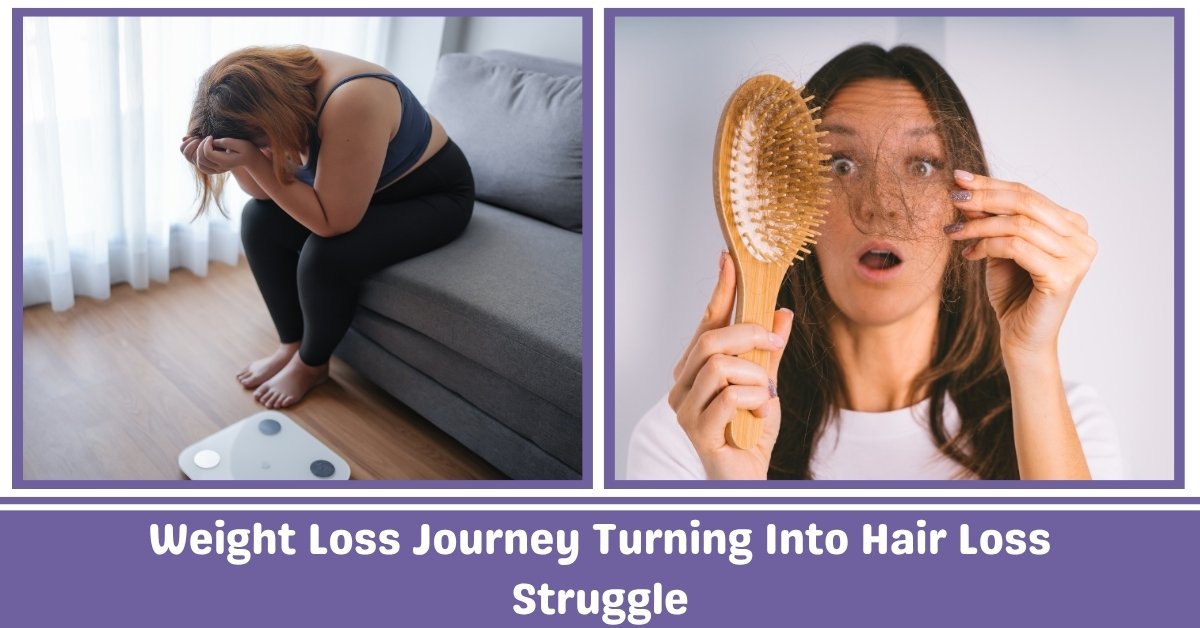
Weight Loss Journey Turning Into Hair Loss Struggle
In this guide, we will explain how a Weight Loss journey can turn into a hair loss struggle, the science behind it, and practical steps to restore healthy growth.
Part 1: Why Weight Loss Can Trigger Hair Loss
Weight loss changes the body’s internal chemistry and energy balance. When you reduce calories, your body adapts by prioritizing survival functions like maintaining organs, muscle tissue, and brain health.
Hair growth, being non-essential for survival, becomes one of the first processes the body reduces energy toward. This is where hair shedding often begins.
The type of hair loss most people experience after losing weight is called telogen effluvium. This condition happens when a large number of hair follicles enter the resting phase prematurely.
Normally, only a small percentage of hair is in this stage at any given time, but under physical or nutritional stress, that number can spike dramatically.
As a result, after a few months, you start noticing more hair fall than usual.
Rapid or extreme calorie restriction, skipping meals, or following one-dimensional diets lacking protein and essential nutrients can trigger this process.
Nutrients like iron, zinc, vitamin D, and biotin are crucial for strong hair growth. Without them, hair shafts weaken, and follicles become inactive.
Protein deficiency is particularly damaging because hair is made of keratin—a protein that depends on adequate amino acid intake.
If your diet lacks protein, the body diverts available resources away from hair production to preserve critical tissue repair.
Hormonal imbalances can also play a role. Rapid fat loss affects estrogen, thyroid, and cortisol levels, which indirectly influence the hair growth cycle.
Stress from intense workouts, strict fasting, or sudden diet changes compounds the issue. The combined result is thinning, dull hair that starts shedding weeks or months after the weight loss begins.
Essentially, when you lose weight too quickly or deprive your body of vital nutrients, you unintentionally signal it to conserve energy. The scalp, being non-vital, takes the hit.
Hair loss from this process is usually temporary, but if left unaddressed, it can become long-term due to sustained nutrient deficiencies or hormonal instability.
Part 2: Real Stories, Real Struggles
For many people, noticing hair loss after working hard to lose weight feels emotionally draining.
You celebrate the scale dropping and your clothes fitting better, but then you find clumps of hair in the shower drain. It feels unfair.
This emotional frustration is extremely common because hair is tied to self-image and confidence.
Most individuals don’t realize that their new diet though healthy in appearance may still lack essential nutrients or calories for hair maintenance.
Even a small imbalance in iron or protein intake can show up as hair shedding after a few months.
The timeline of this problem often adds confusion. You might start dieting and feel fine for several weeks, then suddenly experience hair thinning two or three months later.
This delay happens because the hair growth cycle has phases that respond slowly to changes in nutrition and stress. What you’re seeing today reflects what your body experienced a few months ago.
This is why people often feel blindsided when the shedding starts. It’s not an immediate consequence—it’s a delayed reaction.
The struggle doesn’t just affect appearance it also impacts motivation. People begin doubting their fitness routines or stop dieting altogether, thinking they caused irreversible damage.
But in reality, this phase is reversible. Once the body adjusts to its new weight, restores nutrients, and balances hormones, hair typically starts to regrow.
Recognizing that this process is temporary is crucial to staying motivated during your overall health journey.
Part 3: How to Recognize the Struggle (Symptoms & Diagnosis)
Hair loss related to weight loss has distinct patterns. It’s typically diffuse, meaning hair sheds evenly across the scalp rather than in isolated patches.
You’ll notice more hair falling out during brushing, washing, or even when running your fingers through your hair. Your ponytail may feel thinner, or your scalp may appear more visible under light.
The texture of the hair might become weaker or more brittle. These symptoms often start appearing two to three months after major dietary or lifestyle changes.
Diagnosis is straightforward when the cause is weight loss. A doctor will first discuss your recent diet history, exercise habits, and weight change patterns. They may perform a physical examination of your scalp to check for breakage or inflammation.
Most physicians also recommend blood tests to measure levels of iron, ferritin, vitamin D, B12, and zinc—common nutrients linked to hair health. Thyroid hormone tests are also typical, as weight loss can sometimes disturb thyroid balance, leading to increased shedding.
If your lab results show nutrient deficiencies, they likely explain the problem. Once corrected through diet or supplements, hair follicles usually reactivate over the next few months.
It’s important not to panic if you notice more shedding initially; this phase often precedes regrowth. Staying consistent with proper nutrition and treatment is what allows recovery to begin.
Part 4: Turning Struggle Into Strategy — What to Do
Recovering from hair loss caused by weight loss requires patience and strategy. The first and most important step is to slow down the rate of weight reduction. Rapid results may seem exciting, but they come at the cost of long-term health.
Sustainable progress around half a kilogram to one kilogram per week—is ideal for maintaining internal stability. Once you reach a healthy pace, your body can continue shedding fat without activating stress responses that affect the scalp.
Next, focus on nutrition. Ensure your meals include enough calories, especially from protein and healthy fats. Aim for lean meats, fish, eggs, legumes, and dairy as consistent protein sources.
Whole grains, nuts, and seeds supply minerals and energy that keep the body balanced. Iron-rich foods like spinach, red meat, and beans are essential because iron deficiency directly affects hair follicle activity.
Include fruits and vegetables daily for antioxidants and vitamins that protect cell health. If you’re vegan or vegetarian, consider fortified foods or supplements under medical advice.
Supplements can accelerate recovery when deficiencies exist. Iron, zinc, vitamin D, and B-complex vitamins are the most common additions. However, always check your blood work first.
Over-supplementation can be harmful especially with fat-soluble vitamins like A and E.
Beyond nutrition, scalp care also matters. Avoid tight hairstyles, heat tools, or harsh chemicals that could damage already fragile strands. Gentle scalp massages increase circulation, bringing more oxygen and nutrients to the follicles.
Managing stress is another crucial factor. Even if your diet is perfect, chronic stress can still trigger shedding. Prioritize rest, moderate exercise, and proper hydration.
Mindful relaxation or light yoga can help balance cortisol levels. If hair loss feels severe or emotionally overwhelming, consult a dermatologist early.
They may recommend topical treatments like minoxidil to stimulate regrowth or assess for other contributing factors. With consistent care, shedding typically reduces within two to three months, and visible regrowth starts appearing within six months.
Part 5: Putting It All Together A Sample Timeline & Strategy
Hair recovery follows a predictable sequence once balance is restored. In the first month after addressing deficiencies, shedding may still continue. This is normal the hair that had already entered the resting phase will fall out before new growth begins.
During this period, maintaining a balanced diet and staying consistent is critical. Around the third month, shedding slows noticeably. You may begin noticing small, fine baby hairs near your hairline or scalp crown. These are early signs of regrowth.
By the fourth or fifth month, the density gradually returns. The new hair might initially feel softer or thinner, but with time and adequate nutrition, it strengthens.
By the sixth month, most individuals see stabilization, and hair texture begins improving. Full recovery, where hair thickness resembles pre-diet levels, often takes nine to twelve months.
This timeline assumes the root cause was addressed early and no chronic condition exists.
Consistency throughout this period is key. Avoid falling back into restrictive eating habits or skipping meals. Hair health depends on long-term stability, not short-term fixes.
Keep your weight steady, maintain a nutrient-dense diet, and continue with healthy scalp habits. If progress stalls after six months, recheck your blood work to ensure no new deficiencies have developed.
Part 6: Risks, Complications & When It Might Not Be Just Weight Loss
Not all hair loss during weight reduction is caused purely by diet or calorie restriction. In some cases, underlying medical conditions play a role. Thyroid disorders, for example, often accompany weight fluctuations and directly influence hair growth.
Hypothyroidism slows the body’s metabolism, leading to dry, brittle hair and increased shedding, while hyperthyroidism accelerates hair turnover. Both require medical treatment for recovery.
Hormonal imbalances are another concern. In women, rapid weight loss can disturb estrogen levels, leading to temporary female pattern thinning.
In men, sudden drops in body fat can alter testosterone and dihydrotestosterone (DHT) balance, aggravating male pattern baldness.
Additionally, autoimmune conditions such as alopecia areata may appear during periods of physical stress, including major weight changes.
Some medications or supplements used for weight loss may also contribute. Appetite suppressants or drugs that alter nutrient absorption can indirectly trigger deficiencies.
Chronic deficiencies—especially in iron or zinc—can lead to long-term damage if ignored. Persistent hair loss beyond nine months after correcting diet requires deeper investigation.
A dermatologist or endocrinologist may conduct additional tests to rule out hormonal, autoimmune, or genetic causes. Recognizing when it’s more than a nutritional issue ensures proper treatment before permanent follicle damage occurs.
Part 7: Realism & Mindset — Why You Need That Guardrail
Dealing with hair loss during or after a weight loss journey tests patience and emotional strength. It’s important to understand that hair shedding in this context is usually temporary.
Your hair follicles are not dead—they’re simply paused. Once your body feels secure again, hair will regrow.
Accepting this reality helps you avoid panic-driven decisions like overusing harsh products or taking unverified supplements that promise instant results. Recovery is a biological process that can’t be rushed.
Maintaining a realistic mindset means focusing on overall health rather than cosmetic perfection. The same habits that support lasting weight maintenance—balanced eating, hydration, sleep, and stress control also support long-term hair recovery.
Measuring progress through how you feel rather than how your hair looks every day can make the process easier to handle.
Remember, everyone’s body adapts differently. Some people regrow hair within a few months; others need nearly a year. Comparing timelines can create unnecessary stress, which only slows healing.
The right approach is to stay consistent, trust the process, and treat your body with patience. Your health journey doesn’t end at weight loss—it continues with maintaining internal balance and confidence. When that balance returns, your hair will naturally follow.
Conclusion
Hair loss during a weight loss journey is not a punishment for your hard work it’s your body’s way of signaling imbalance. When you lose weight rapidly or restrict nutrients, your system redirects energy to vital organs, leaving hair growth on pause.
This reaction, known as telogen effluvium, is temporary but emotionally difficult.
The key to recovery lies in restoring balance rather than chasing quick fixes. A steady, nutrient-rich diet with adequate protein, iron, zinc, and vitamins allows the hair cycle to reset naturally.
Managing stress, sleeping well, and avoiding harsh hair practices further support regrowth. Patience is essential; visible improvement often takes several months, but the process is completely reversible once your body stabilizes.
Sustainable weight management should never compromise internal health, because real transformation includes both appearance and well-being.
By listening to your body, nourishing it properly, and staying consistent, you can regain not only your confidence but also your healthy, strong hair.